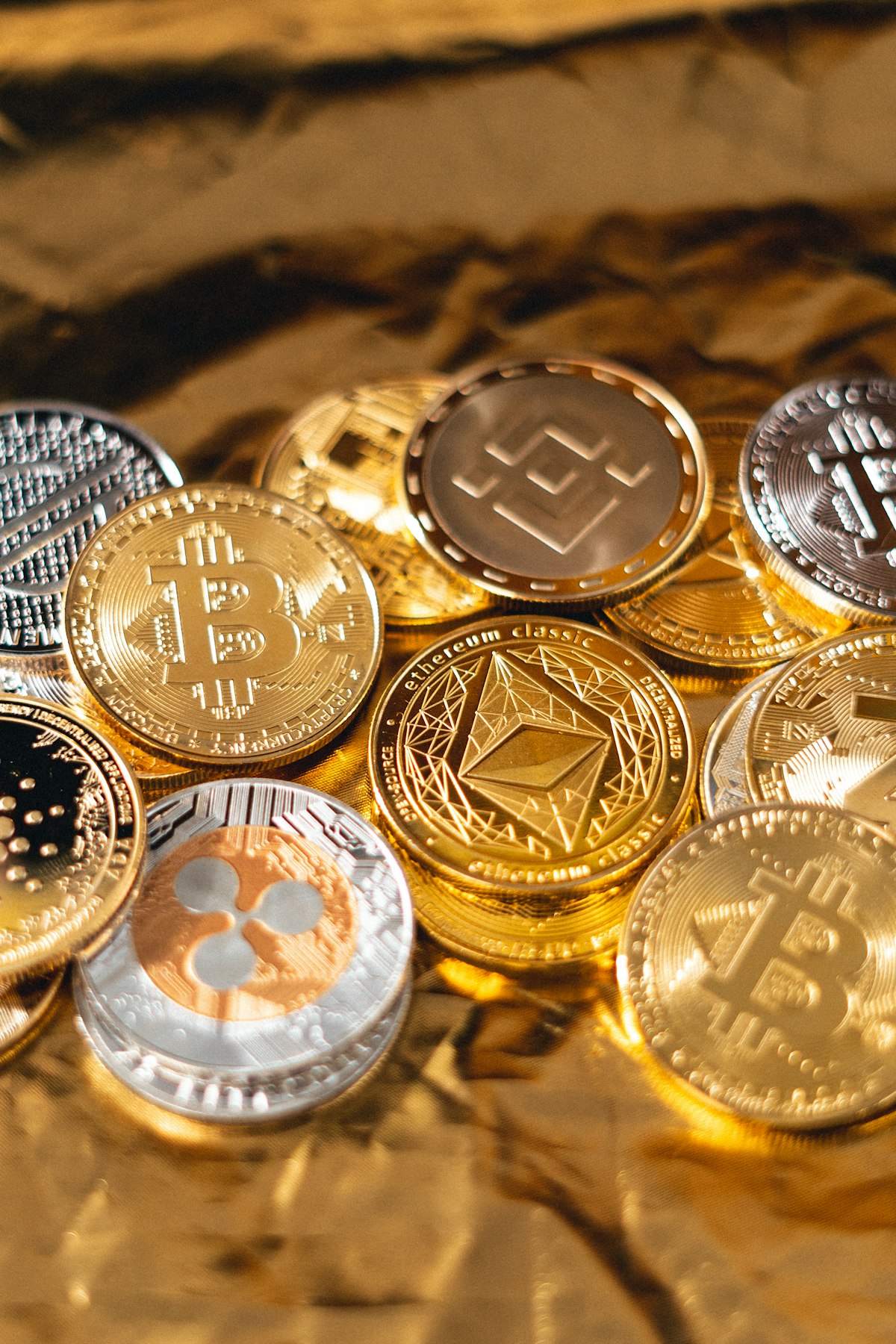
Ask a crypto casino player what the fastest withdrawal rail is and most will still say Tron USDT. In H1 2026 that answer is out of date. Bitcoin Lightning and USDC on Base are now measurably faster in the tail — meaning not just when things go well, but when the network is under load. Both are quietly changing the payout ceiling, and both are still under-adopted by operators.
Here is where each rail sits in mid-2026 and what it means for players.
Lightning at the crypto casino
Lightning solved Bitcoin's on-chain settlement problem for small-to-medium payments years ago in theory; in 2026 it is finally being implemented at casino cashiers with useful liquidity. Three of our tracked operators offer Lightning withdrawals: Stake.com, BitStarz, Crypto Games. Median completion time in our H1 test: under nine seconds for withdrawals up to €1,500. Fees measured in cents.
The catch: routing liquidity. Above roughly €1,500–€2,000 per single withdrawal, Lightning routes get harder to find and payments start failing. The operators that offer Lightning split large withdrawals automatically. Two do; one doesn't and just fails the payment.
USDC on Base
Base — Coinbase's L2 built on Ethereum — has quietly become the go-to USDC rail for crypto casinos over the last twelve months. Confirmation under two seconds, fees under $0.01, and unlike Solana it hasn't had a network stall in the current year. Six of our fifteen tracked operators offer USDC-Base as a withdrawal option; three of those made it the default.
The advantage over TRC20 is not speed — TRC20 is also fast — it is counterparty risk. Tron's dependence on Justin Sun's operational decisions concerns compliance desks at licensed operators. USDC on Base is Circle-issued, Coinbase-adjacent, and, from a compliance perspective, safer.
The operators pulling ahead
The three operators that support both Lightning and USDC-Base — Stake.com, BitStarz, and Crypto Games — score highest in our updated payout-reliability rubric. Not because the median rail matters much (all fast rails are similar for a €200 withdrawal) but because the tail matters. When the mempool spikes, when TRC20 is throttled, when SEPA is closed for a Sunday, the operator that has three L2 options routes around the problem and still pays out inside SLA. The operator that has one option waits.
Where the UX is still rough
Both rails require the player to have a receiving wallet on the specific network. Lightning still trips up first-time users — invoice-based, not address-based, and expires in minutes. USDC-Base requires the withdrawing wallet to actually be a Base wallet, which many players don't yet have. Cashier flows that detect the wrong network and guide the player exist at two operators; the rest just fail and leave the player to figure it out.
The 2027 outlook
Lightning will probably absorb another share of small-value withdrawals as more casinos add auto-splitting. Base will keep growing as long as Coinbase's regulatory story stays clean. The rail we're watching is Solana USDC — it is faster than Base in the happy case and cheaper, but the tail risk from network stalls kept two of our operators from making it the default this year.
What matters for player fit
If withdrawal speed is your primary decision axis, the question is no longer "does this operator support crypto." It's "how many fast rails does it support, and which are default?" That number is now the input to our payout-reliability score, and it will show up in every operator review refresh from Q3 onward.