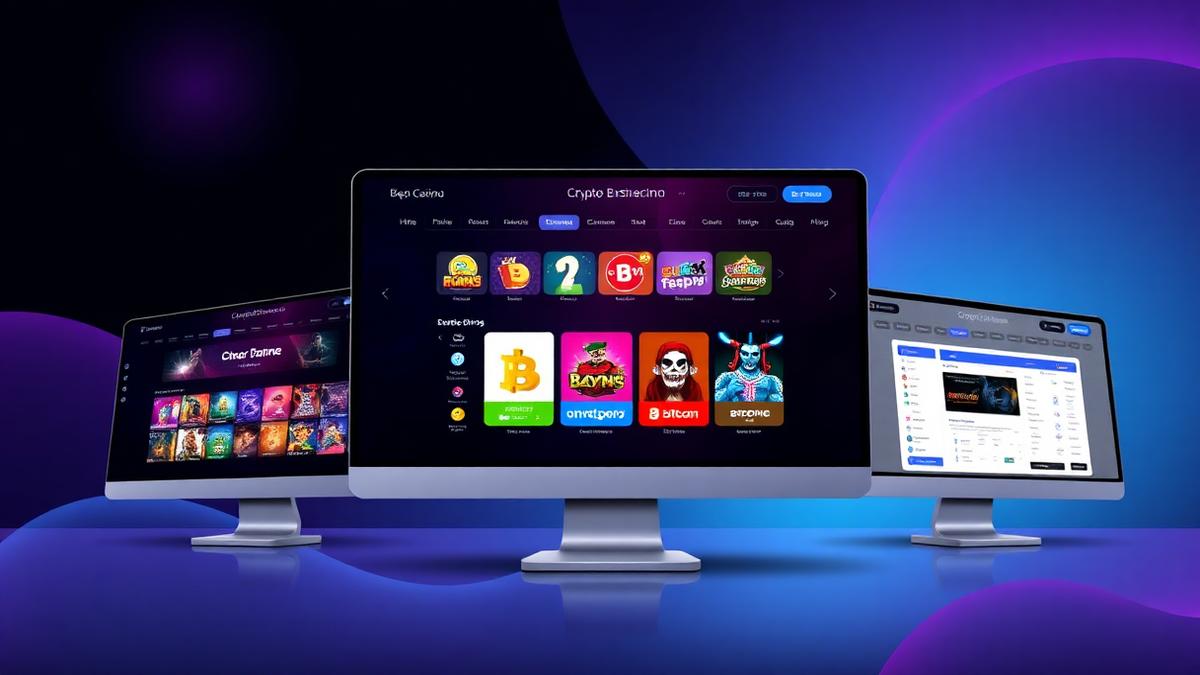
The iGaming landscape is in constant flux, but few segments have seen the explosive, paradigm-shifting growth of white-label crypto casinos. What was once a niche offering for tech-savvy early adopters has blossomed into a multi-billion dollar industry, attracting both nimble startups and established gaming giants. This phenomenon isn't just about integrating cryptocurrency as a payment method; it’s about a fundamental shift in operational agility, market entry strategy, and the very definition of a "casino" in the digital age.
The Anatomy of a White-Label Revolution
At its core, a white-label crypto casino solution provides a complete, ready-to-launch gambling platform, allowing operators to enter the market without the immense capital outlay and technical expertise traditionally required. Imagine a fully built, fully furnished hotel, where the new owner simply adds their branding and opens the doors. This analogy, while simplistic, captures the essence. These solutions encompass everything from game providers and payment gateway integrations (naturally, including a wide array of cryptocurrencies) to licensing assistance, customer support frameworks, and robust back-office management systems. The appeal is clear: speed to market, reduced development costs, and access to a global player base keen on anonymity, swift transactions, and verifiable fairness.
"The true disruptive power of white-label crypto solutions lies not just in technology, but in democratizing market entry," explains Elias Kalfas, CEO of blockchain solutions provider, ChainBet Innovations. "Suddenly, a passionate entrepreneur with a vision, rather than a multi-million-dollar war chest, can launch a competitive iGaming brand. This lowers the barrier to entry, fosters innovation, and ultimately, accelerates market maturation."
The "who's building" side of this equation comprises specialist software providers and blockchain development firms. Companies like Softswiss, Bepro, and even more niche players, have honed their platforms over years, integrating hundreds of game titles from top studios, developing sophisticated KYC/AML tools for crypto transactions (a critical, evolving challenge), and perfecting the user experience. Their R&D departments are effectively the engine room for hundreds of new online casinos, constantly innovating with new features like Provably Fair games, integrated NFT functionalities, and even metaverse-ready components. These builders are investing heavily in scalability and regulatory compliance, understanding that future growth hinges on legitimacy and trust.
Market Dynamics: Who's Buying and Why Now?
The "who's buying" is a far more diverse and fascinating group. Initially, independent entrepreneurs and smaller investment groups, eager to capitalize on the early crypto boom, were the primary clientele. They sought to tap into the burgeoning crypto community, offering a gaming experience tailored to their preferences. These early adopters benefited from the lower competition and higher margins inherent in an emergent market. Their success stories, often built on aggressive marketing within crypto communities and a deep understanding of blockchain culture, served as powerful case studies.
More recently, established fiat-based iGaming operators are covertly or overtly stepping into this space. They arrive with deep industry knowledge, robust marketing budgets, and an understanding of regulatory complexities. Their motivations are multifaceted: to hedge against potential fiat currency fluctuations, to tap into new demographics that prefer crypto transactions, and to diversify their portfolios in a rapidly changing operational environment. Some opt for a 'soft launch' under a new brand, testing the waters before a full integration into their flagship operations. Others view it as a strategic move to future-proof their business model. The compliance overhead for traditional operators entering the crypto space is significant, making white-label solutions particularly attractive, as many providers offer critical regulatory support and frameworks designed to navigate the intricate web of global crypto gambling laws. What might take an in-house team years to develop and seek licensing for, a white-label provider can offer within months, complete with pre-negotiated game supplier deals and payment gateways.
Navigating Regulatory Minefields and Trust Establishment
The double-edged sword of white-label crypto casinos is their inherent global accessibility alongside a mosaic of regulatory frameworks. Unlike traditional online gambling which is often geo-gated or heavily licensed per jurisdiction, crypto casinos, particularly in their early iterations, often operated in a regulatory grey area or under broad offshore licenses. This freedom, while enabling rapid growth, also presents significant challenges for long-term sustainability and attracting mainstream players.
Responsible white-label providers are increasingly focusing on building platforms that are compliant or adaptable to evolving regulations in key markets. This includes robust KYC/AML protocols, responsible gaming tools, and transparent reporting mechanisms. The "provably fair" mechanism, a cornerstone of crypto gaming, where the fairness of each game outcome can be independently verified on the blockchain, is a powerful trust-building feature that traditional casinos struggle to replicate.
"Transparency and provable fairness are non-negotiable for the future of crypto gaming," argues Dr. Anya Sharma, a blockchain legal expert specializing in iGaming. "Operators buying white-label solutions must scrutinize the platform's commitment to these principles. It's not just about compliance; it's about building a genuine relationship of trust with players in a relatively new ecosystem."
The challenge for new operators, even with a strong white-label platform, remains building brand reputation and establishing trust in a crowded, competitive market. Marketing strategies must go beyond simple crypto rhetoric and focus on responsible gaming, customer service excellence, and demonstrating genuine value to players.
The Road Ahead: Hybrid Models and Metaverse Integration
Looking forward, we anticipate several key trends shaping this segment. First, the blurring lines between fiat and crypto platforms will lead to more hybrid solutions. Players might deposit in fiat, convert to crypto on the platform for gaming, and cash out in either. This caters to a broader audience without alienating traditional players. Second, the integration of NFTs (Non-Fungible Tokens) into loyalty programs, exclusive content, or even as game assets themselves, offers a novel avenue for player engagement and retention. Imagine earning unique NFTs through gameplay that grant access to VIP perks or special tournaments.
Finally, the nascent but rapidly evolving metaverse presents an intriguing frontier. White-label providers are already experimenting with virtual casino environments where players can interact, gamble, and socialize in a more immersive way. While still in its infancy, the potential for a truly interoperable, immersive gambling experience within the metaverse, powered by white-label solutions, is undeniable. The "builders" are laying the modular foundations now for these future digital playgrounds, and the "buyers" will be the visionary operators who leverage these tools to define the next generation of iGaming.
The white-label crypto casino market is a testament to the iGaming industry’s relentless pursuit of innovation and efficiency. It has democratized market entry, accelerated technological adoption, and reshaped our understanding of what an online casino can be. Operators who choose their white-label partners wisely, focusing on regulatory foresight, robust technology, and an unwavering commitment to player trust, are best positioned to thrive in this rapidly evolving and highly lucrative ecosystem.
Embrace the Future:
Considering a foray into the crypto iGaming space? Evaluate white-label solutions not just on cost or speed, but on their long-term commitment to regulatory compliance, technological innovation, and a demonstrably fair and player-centric approach. The future of online casinos is here, and it's being built, and bought, one decentralized block at a time.